
CLIENT STORYAndrew Gough Needed a Thinking Partner, Not Just Someone to Delegate To. He Found One at Timely.
Andrew's company went through the biggest leadership change in its history in 2026. A long-tenured employee moved on, new people came in, and the structure of his business shifted. He made it through the roughest parts. He'll tell you he's still working on it. He'll also tell you the business is growing again.
What he isn't certain about is whether he'd have made it through on his own.
"I may have eventually shifted over into I'm going to just pull the covers over my head and wait it out," he told me. "Which is where failure is, when you become complacent."
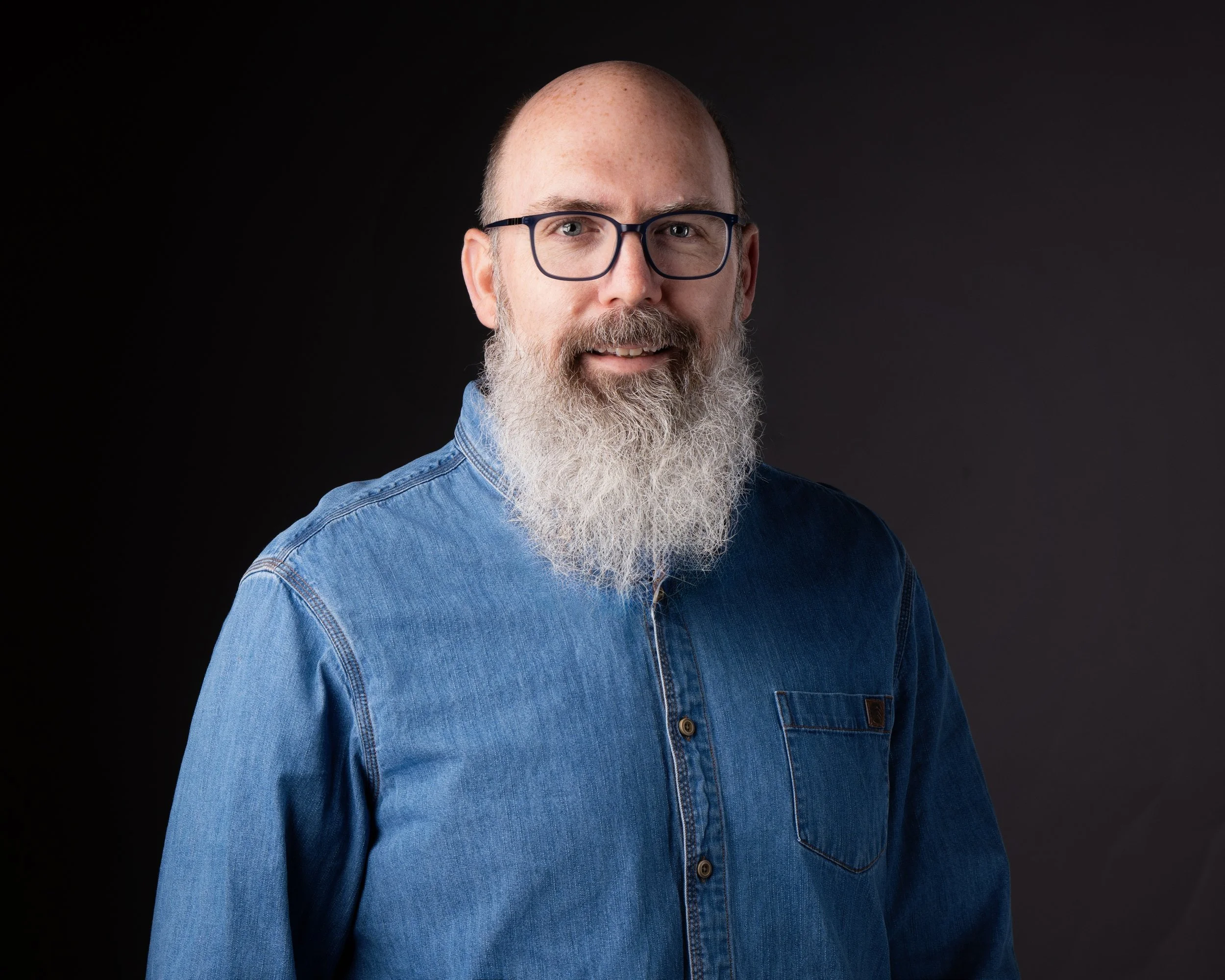
Andrew Gough
ceo-visionary
Andrew runs two businesses at once.
On one side of Reverie there are cafes, a catering operation, and a community that eagerly supports both. On the other there's a coffee roasting facility and wholesale accounts across Wichita and beyond. Retail hospitality and manufacturing are completely different business models with different rhythms and different needs. People have told him plainly that the normal path is to pick one. He didn't want to choose, so he grew both.
He'll be the first to say that life as an owner is chaotic, and that hasn't changed since Jenn, his Timely EA, came on board. And he doesn't expect it to. Chaos is part of running a business like his, and he's made peace with that. What makes the chaos manageable now is better organization and a clearer view of the whole. Before Jenn he had too little of either.
He's a creative leader who solves problems through experience and intuition, and he was clear about what he was missing. "I needed another logical thinker to come in to help think through how to solve problems." He also knew that not having that person was costing him. He couldn't step back far enough into his CEO-Visionary role to see the bigger picture, because too many things still ran through him.
He knew he needed someone, but saying yes still wasn't easy.
Money was tight, the business was heading into a hard stretch, and a new monthly expense wasn't in the plan. He did it anyway.
He also had the objection I hear more than any other. If he handed off some of his tasks, he'd spend more time teaching someone than doing it himself. That's often true, and it's why an experienced fractional executive assistant is a different kind of hire. Jenn has spent years working directly with business owners. Teaching her the job wouldn't become his job.
He wanted a thinking partner, not just someone to delegate to.
Someone with no agenda except helping him lead well, who understands how he operates and has already seen problems like his at other businesses, so she isn't learning from scratch on his dime. Andrew says bringing her in elevated the management aptitude of the whole company and gave it more credibility internally.
Early on, Jenn brought Andrew the approach she'd recommend for a problem they were trying to solve. Ultimately, he decided to go a different direction. She told him plainly why her instinct was different, then built it his way. Your EA should say what she thinks, but the final decision is still yours to make.
She also made him more organized.
The first project was his inbox. Andrew assumed cleanup meant deleting things. What Jenn really did was learn how he thinks, then build a method that would feel organized to him. And cleanup wasn't the same as offloading, because for each thing on his plate, they had to decide whether it could be eliminated or needed to be delegated.
Next came systems. Andrew wanted SharePoint set up correctly but had no time to research how, so Jenn took the lead. She cleaned things up as she went, fixed the problems the cleanup uncovered, and taught his team to use the tools well. Much of that work doesn't directly benefit him, and that's the point. "I don't need to be the subject matter expert on that. I need everybody else to know how to use these tools."
And she got him through the leadership change.
Looking back, Andrew says that if he hadn't taken the time to think about it, he'd have told me Jenn came in to clean up his inbox. What she was really doing was getting him ready for a leadership change the business had known was coming and had delayed for a long time.
When it came, she'd prepared for it. She kept him from forgetting steps during the hiring and the handoff, kept him focused enough to get the important things done, and kept the rest of the business from falling behind while all of that was happening. In his words, they got through the transition as well as they possibly could.
He accomplishes more in most weeks than he ever did before.
He can't put a precise number on it because he touches every department, which makes the effect of Jenn's support nearly impossible to isolate. What he can point to is that she is a large part of why their EOS implementation is getting the attention it needs to pay off.
In his own words:"The value in an assistant is not the number of tasks they get done. It's about how much better they make me at my job. The role of Jenn, though it might look task driven, is really about enhancing my performance, staying focused and prioritizing, and being honest and open with me where I might not get that from other people."
Does this make me better at the job only I can do?
Most leaders run this as a math problem about tasks and cost. What comes off my plate, and is that worth the monthly fee? Andrew's question is more introspective, and it's harder to answer with numbers alone.
Part of the answer is the relationship. Andrew describes Jenn as good people, the kind of person he'd want around regardless of the work. He values that she's honest and open with him in a way he doesn't always get from people inside the business. And every time I check in with Jenn, she talks about how much she enjoys working with someone as visionary as Andrew. She's the linear thinker in the pair, and the creative side of his business is a genuine pleasure for her. That mutual respect is a big part of why their partnership works.
If you're running something complicated and you can feel that you've stopped being able to step back far enough to see the big picture, this is what we do at Timely. I'd be glad to talk.