
CLIENT STORYFifteen Hours Every Week, Back in Stacey’s Calendar
Before Hannah came on board, Stacey was spending hours every day scheduling meetings (not attending meetings, simply getting them scheduled).
She'd open her inbox to find available times to track down, options to send, requests coming in faster than her replies. Calendly links needed updating for out-of-office days. Board members hadn't responded to the latest Doodle poll. The times she'd offered yesterday were already booked by the time she circled back.
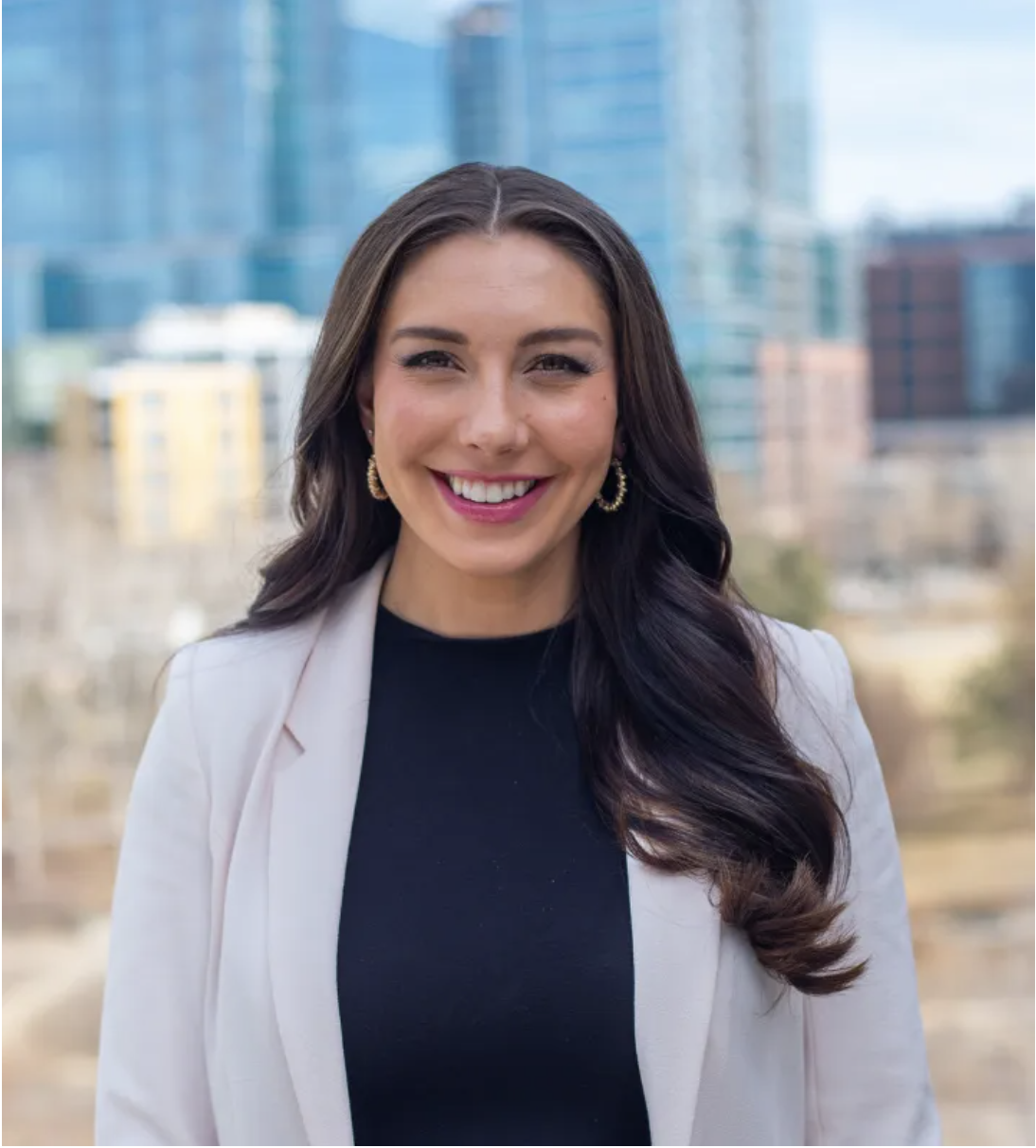
Stacey Putka
Co-Founder, Executive Director & President of the Board
The cost wasn't just time. She'd skip rescheduling meetings she should have rescheduled, because the administrative lift of doing it was worse than just showing up for something she didn't have space for. Urgent board prep and staff conversations got pushed because canceling a meeting meant another round of email back-and-forth she didn't have the energy for.
As Co-Founder and Executive Director of Breakthrough, she was carrying everything: the vision, the relationships, the fundraising, the program work, the staff oversight — plus all of the administrative weight underneath it.
She'd known for a long time that she needed help. But like a lot of nonprofit leaders, she'd believed she shouldn't spend nonprofit dollars on administrative support. Funders would scrutinize it. Overhead wasn't the place to invest.
It took a trusted voice in her sector to give her permission to think differently. A colleague who'd seen what worked across multiple non-profits told her, plainly, that the organizations running lean to the point of dysfunction weren't virtuous. They were just under-resourced. Spending strategically to protect the ED's capacity was exactly the kind of investment a healthy organization makes.
Hannah joined Stacey’s team in May 2025.
Meeting scheduling was the first thing Hannah tackled. Next, she took over inbox triage, sorting messages into starred for read-and-act-today, everything else sorted accordingly. The Doodle polls, calendar invites, and Zoom links for board meetings became Hannah's. The rescheduling that used to require Stacey's mental energy now happens by text message: a quick "can you reach out to this person and reschedule for me?" and Hannah handles it from there.
Over time, the scope has expanded. Hannah now reviews Stacey's meeting notes and pulls action items into their project management tool, so nothing falls through the cracks. She also handles internal communication, making sure the right people know when relevant meetings are on the calendar.
By Stacey's own count, she's getting back roughly fifteen hours a week. Nearly two full working days that she used to spend buried in her inbox and calendar and now doesn’t.
Some of those hours go back to the work only she can do. Major donor cultivation, staff leadership, relationship building, and the vision casting that Breakthrough needs from its Executive Director and that no one else can provide.
Some of those hours go back to her life. Stacey has a young daughter starting preschool soon. There's mental space now to think about what to cook for dinner, to plan a homemade afternoon snack for her daughter for the week, to swing by the library after preschool pickup, and the list goes on. These are things she didn’t have time or space for before, because the scheduling backlog was always living in her head.
There's also been a quieter shift in how Breakthrough is perceived from the outside. Scheduling responses that used to take seventy-two hours now happen immediately. That responsiveness builds credibility with funders and partners, a small thing that compounds into real trust over time.
In her own words:"Nonprofit Executive Directors are in that role because there's something about their life experience that uniquely positions them to advocate for their cause. They are the only ones who can do that work. But they are not the only ones who can schedule meetings, send Doodle polls, and handle all of those other pieces. There are people who are uniquely positioned and uniquely talented at doing that.
My fifteen hours saved? It doesn't take Hannah fifteen hours, because she's much better at it than I am. It's okay to understand your strengths and lean into them, and to accept help where other people are stronger."
Here's what Stacey so beautifully shines a light on:
The case for administrative support in a non-profit isn't really about administrative tasks. It's about who is uniquely positioned to do the work the organization exists to do. Stacey is one of two people in the world who can be the Co-Founder and Executive Director of Breakthrough. There are many people who can run a Doodle poll, draft a meeting summary, or update a Calendly link.
The structural problem most non-profit EDs face is that they're spending the largest part of their week on work someone else could do (probably faster and more accurately), while the work that only they can do keeps getting pushed.
Investing in EA support gives the mission the ED's full capacity instead of her leftover capacity. In Stacey's case, those freed up fifteen hours a week go right back to her mission.